Optic Suit • Eyewear Guide
Contact Lenses vs Eyeglasses: Differences, Benefits & Which Is Better?
You walk out of the eye test with a fresh prescription, and before you’ve even reached the street, a question starts nagging: stick with eyeglasses, or finally try contact lenses?
It sounds like a simple choice. It usually isn’t, because the answer depends less on your eyes and more on how your days actually go.
The Short Answer
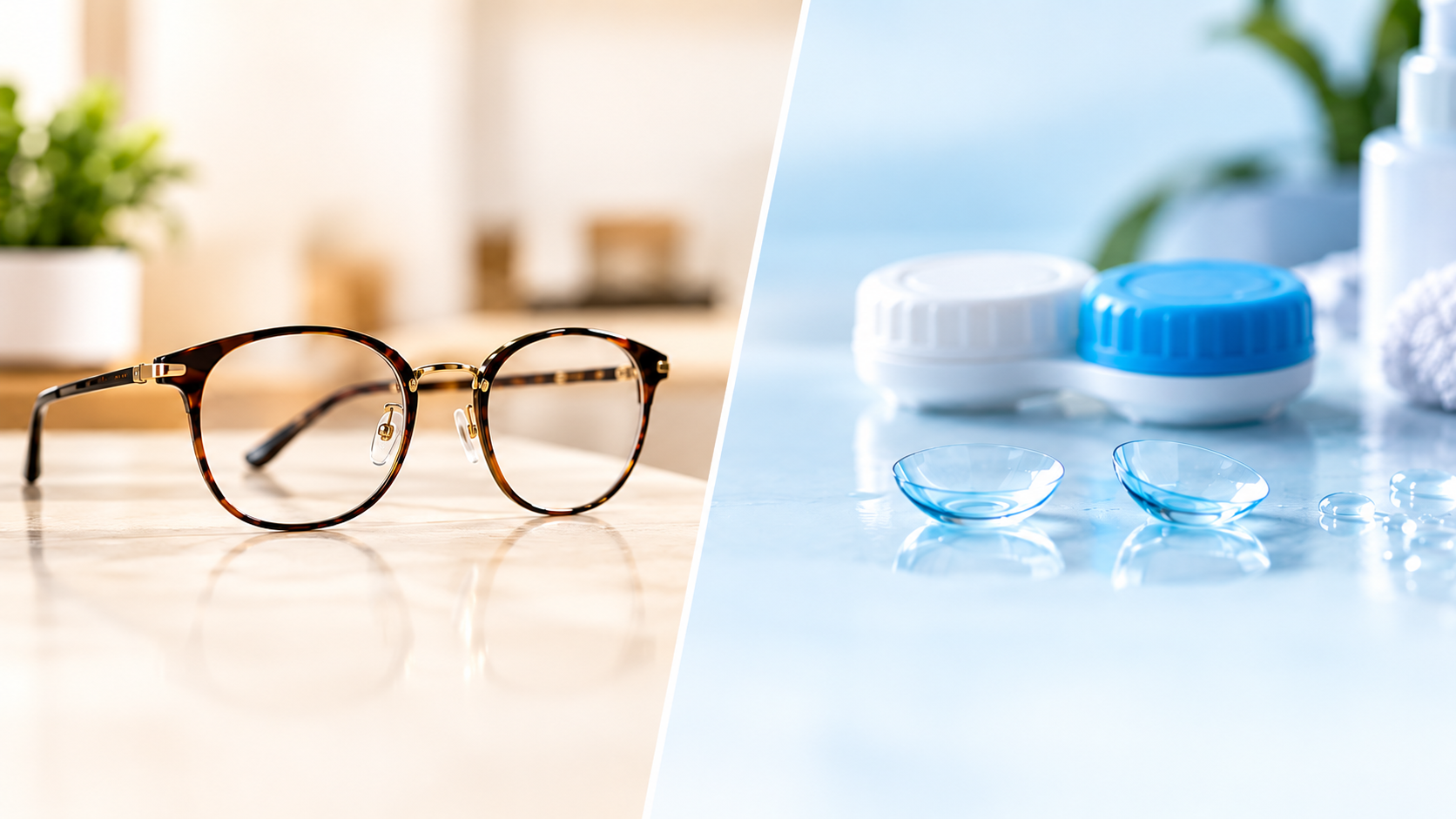
Neither option is best for everyone. Eyeglasses are simple to put on and take off, while contact lenses offer a frame-free field of vision and may suit some sports and active routines. Many people use both, depending on the day.
What Actually Changes Day to Day?
The differences often show up in small moments: wiping fogged lenses when you walk into a warm room, or remembering your contact lens case while travelling.
| Feature | Eyeglasses | Contact lenses |
|---|---|---|
| Putting them on | Quick to put on and remove | Requires a careful handling routine |
| Field of vision | The frame may sit around the edges of your view | Moves with the eye and has no frame edges |
| Upkeep | Clean lenses and store in a case | Cleaning or replacement depends on lens type |
| Active days | May slip or need extra protection for some sports | Can be convenient for some sports when properly fitted |
| Style | Frames offer many style choices | Leaves the face without an eyeglass frame |
| Ongoing costs | May include repairs or replacement lenses | May include regular lenses and care products |
Your comfort matters more than anything in this table. A pair of eyeglasses that feels great on one person can feel annoying on another.
Where Eyeglasses Make the Most Sense
Eyeglasses suit people who want a simple routine. Put them on when you need them, clean the lenses, and store them safely when you take them off. They also offer a chance to change your look with different frame shapes and colours.
There are practical advantages, too: you don’t need to handle a lens that sits directly on the eye, and an optical shop may be able to adjust a frame that has become loose or crooked.
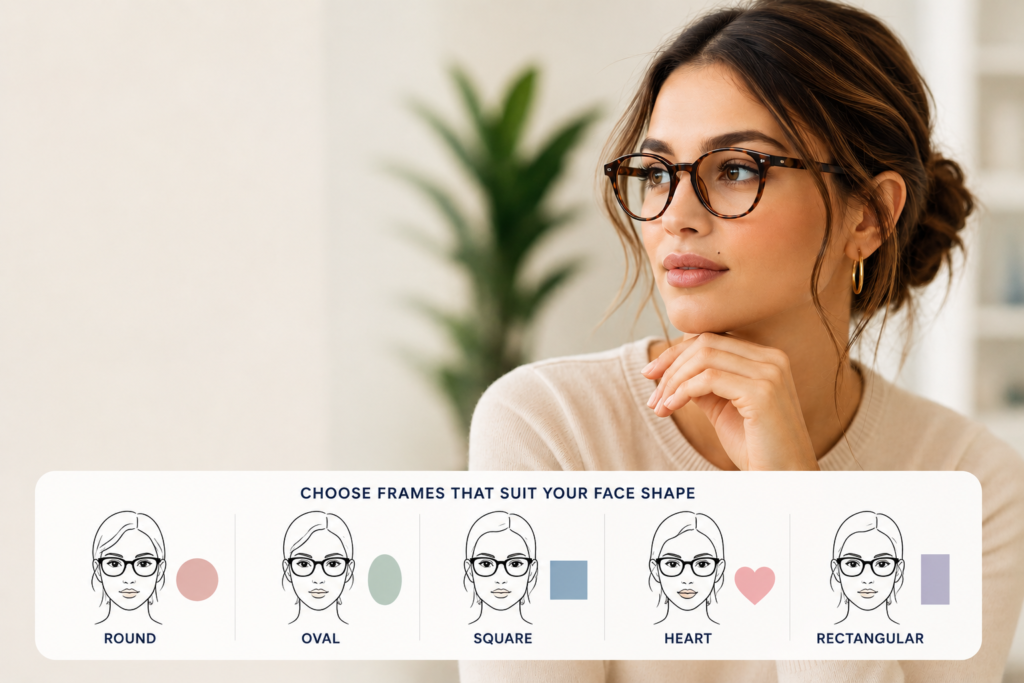
Glasses aren’t perfect. They can slide down the nose, fog up when temperatures change, or feel inconvenient during certain activities. A frame that fits properly can make a noticeable difference, so check the width, bridge fit, and temple arms before choosing a style.
Browse the eyeglass frames available at Optic Suit to compare designs and product details.
Where Contact Lenses Fit Better
Contact lenses can be convenient when you’re moving around a lot. Think of someone who plays football every week or a hiker whose glasses keep slipping on the trail. Some people also prefer the open view without a frame around their eyes.
The trade-off is routine. Contact lenses need careful handling and, depending on the type, cleaning and storage. If you know you tend to skip steps when you’re tired, consider whether you can keep up with the care routine before choosing them.
Learn more about contact lens use and care from the CDC, and follow the instructions supplied with your lenses and your eye care professional’s advice.
Think About Cost Over the Years, Not Just Day One
Eyeglasses may cost more at the initial purchase, but a well-cared-for pair can last until the frame wears out or your prescription changes. Contact lenses usually involve recurring costs for replacement lenses and, for reusable types, care products.
The cheaper option depends on the frame and lens you choose, how often you wear contacts, and how long your glasses last. A useful comparison is to estimate the total cost for a full year rather than looking only at the first bill.
How This Plays Out in Real Life
These are examples, not rules. Your prescription, comfort, and eye health still matter.
- Office days: If you spend much of the day at a desk, eyeglasses may be a straightforward option. A spare pair can be useful.
- Weekend runs: If frames move around during exercise, contact lenses may be worth discussing with your eye care professional.
- Travel: Contacts take up little room, but pack your glasses as a backup.
- Uncomfortable lenses: If your eyes feel irritated, remove your lenses and seek advice rather than pushing through discomfort.
Mistakes Worth Avoiding
- Choosing frames on looks alone: Fit matters. A frame that pinches or slips may not be comfortable for daily wear.
- Putting away your glasses permanently: Keep a suitable pair as a backup if you wear contact lenses.
- Wearing contact lenses longer than directed: Follow the recommended replacement and wearing schedule.
- Using an old prescription: Get professional advice if your vision changes or your prescription is no longer current.
- Skipping lens care: Contact lenses are medical devices and need to be handled and stored as directed.
A Quick Word on Safety
This article provides general information, not personal medical advice. The U.S. Centers for Disease Control and Prevention explains that contact lenses are medical devices and that incorrect use or care can increase the risk of eye infections. Read the CDC’s contact lens safety guidance and follow your eye care professional’s instructions.
Eyeglasses or Contact Lenses—or Both?
For many people, the most practical answer is both: contact lenses for selected activities and eyeglasses at other times. You don’t have to commit to one option for every part of your life.
Before deciding, ask yourself:
- How much daily care can I realistically keep up with?
- How active are my typical days?
- Do contact lenses feel comfortable and suit my eyes?
- Which option fits my budget over a full year?
If you’re still unsure, talk with an optometrist or eye care professional. They can help you choose an appropriate option and make sure your prescription is suitable.
Frequently Asked Questions
Are contact lenses better than eyeglasses?
Not for everyone. Contact lenses may suit sports and people who prefer not to wear frames, while eyeglasses are often simpler to use and maintain. The right choice depends on your eyes, routine, and preferences.
Can I switch between contact lenses and eyeglasses?
Many people use both. Ask your eye care professional about suitable contact lenses and keep an up-to-date prescription for your eyeglasses as well.
Do contact lens wearers still need eyeglasses?
It is sensible to keep a suitable pair of glasses as a backup for times when you cannot or should not wear contact lenses.
Which is easier to maintain?
Eyeglasses generally require cleaning and safe storage. Contact lenses need a care routine that depends on the lens type, so follow the product instructions and professional advice.
Which option costs less?
It depends on the products you choose and how often you use them. Compare estimated yearly costs, including replacement lenses, solutions, repairs, and frame replacement.
The Takeaway
Choose the option that fits your real routine, prescription, comfort, and budget. If you prefer a simple daily routine, eyeglasses may suit you. If you want a frame-free view for certain activities, contact lenses may be worth exploring with professional guidance. Using both is a practical choice, too.
Find Eyeglasses That Suit Your Style
Compare frame designs, sizes, and styles in the Optic Suit eyeglasses collection.
Browse Eyeglass Frames